Run of the Mill
(discontinued)


Welcome to the middle of nowhere!
Run of the Mill is a narrative adventure game set in the tiny remote island of Milhouse. Once a bustling tourist town full of life, this legendary place has been abandoned to time. Sons & daughters of once proud citizens find themselves overtaken by melancholy, unable to escape their lonely routines. What forces could've possibly drained their vitality so?
Moreover, a new danger has emerged to disrupt the town's quiet streets: masked cultists have been spotted causing all sorts of mischief at night.
You are Joey, a teenage mutt that just moved in to the neighborhood. Your deadbeat dad got a job, and now you have to spend your golden youth at a desolate rock in the middle of the ocean.
Whether you like it or not, your happiness is tied to your fellow residents'. Will you be able to figure out all the mysteries behind morose Milhouse's decay, and return the island to its former glory? In any case, better start by making some friends!


Core Design
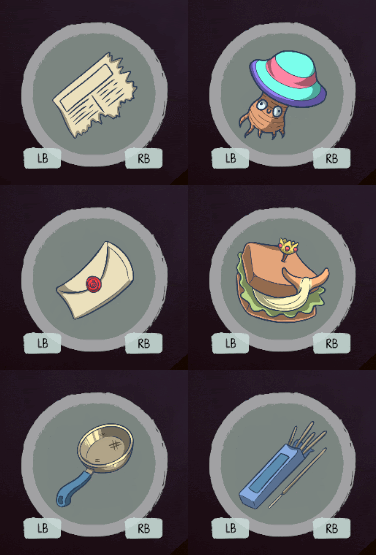
Run of the Mill's core gameplay loop consists of exploring the town, talking to its animal-like residents and solving their problems. Each character has their own "questline" with multiple stages, in which the player eventually befriends them and makes them happier. This may involve things like talking to them at a specific place to help them get over their grief, or giving them a special item that they need.
Most individual character quests do not need to be fully completed in order to beat the game, but doing so is incentivized, as they reveal important parts of the story and may change the ending for the better.
At night, the player must be careful to avoid cultists that capture them on sight.
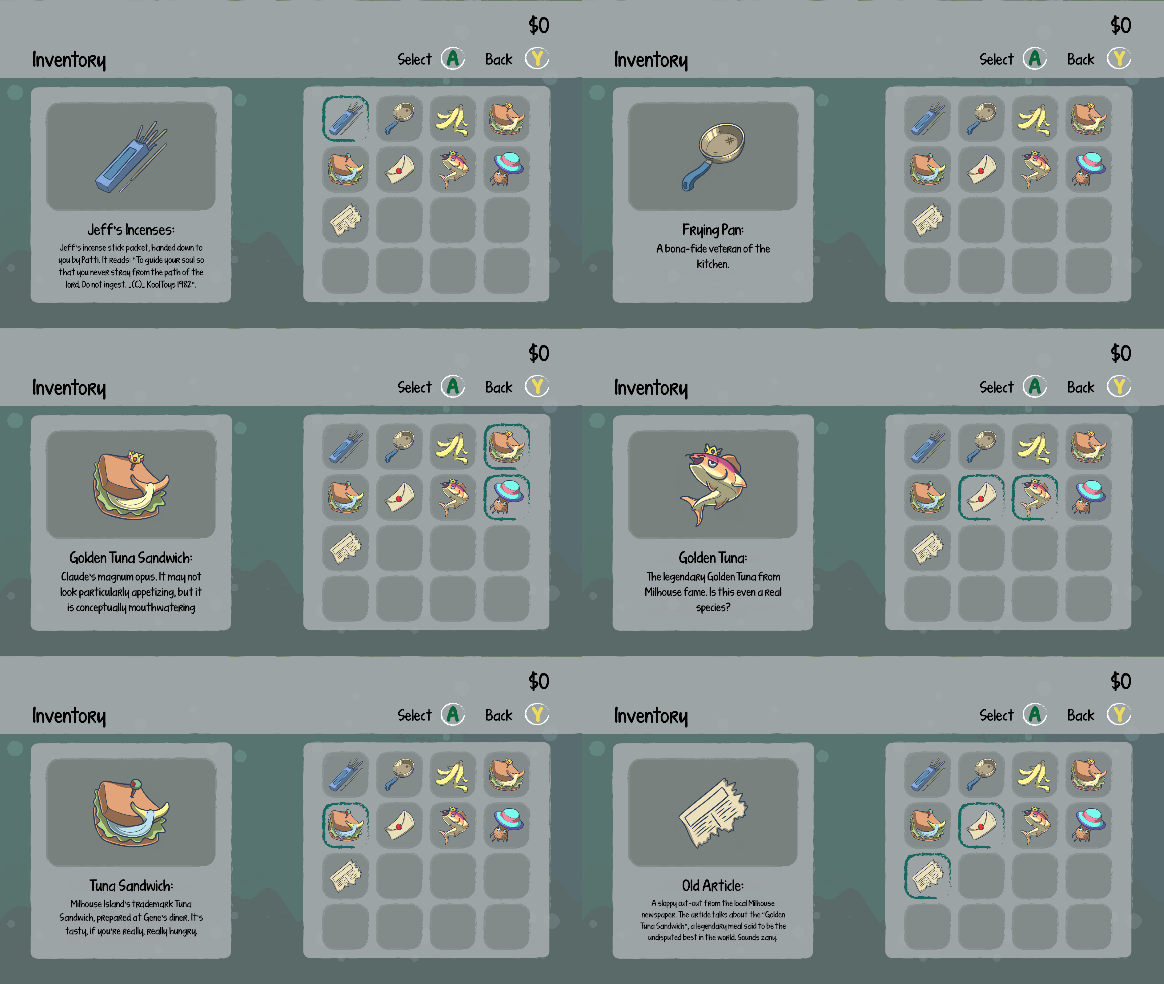

Milhouse runs on a real-time day/night clock cycle, meaning every NPC has a specific routine they follow - they wake up, move around the island, talk to each other and go home on their own time. In order to access different dialogue trees and solve certain mysteries, the player must pay attention to these schedules and interact with characters at the correct time and place. Schedules may change depending on the main story's current arc and/or their relationship to the player.
Minigames and other activities are also time-sensitive. These cycles are set up in a way so as to discourage the player from waiting around to follow only one questline at a time, instead incentivizing them to fill their days with varied tasks/multiple POI.






Writing
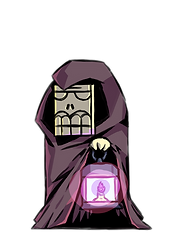
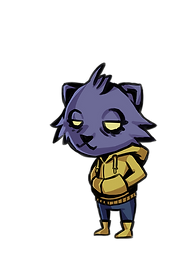
Being a non-linear narrative-focused game with open exploration, one of the most important aspects of Run of the Mill is the character design. Each citizen of Milhouse has very distinct looks, speech patterns, interests, tastes, occupations and backstories.
Though a lot of the dialogue is light-hearted and humorous, there are also more serious moments in which characters show vulnerability and reveal their issues to the player.
Check out some of the dialogue by clicking on each character's button.
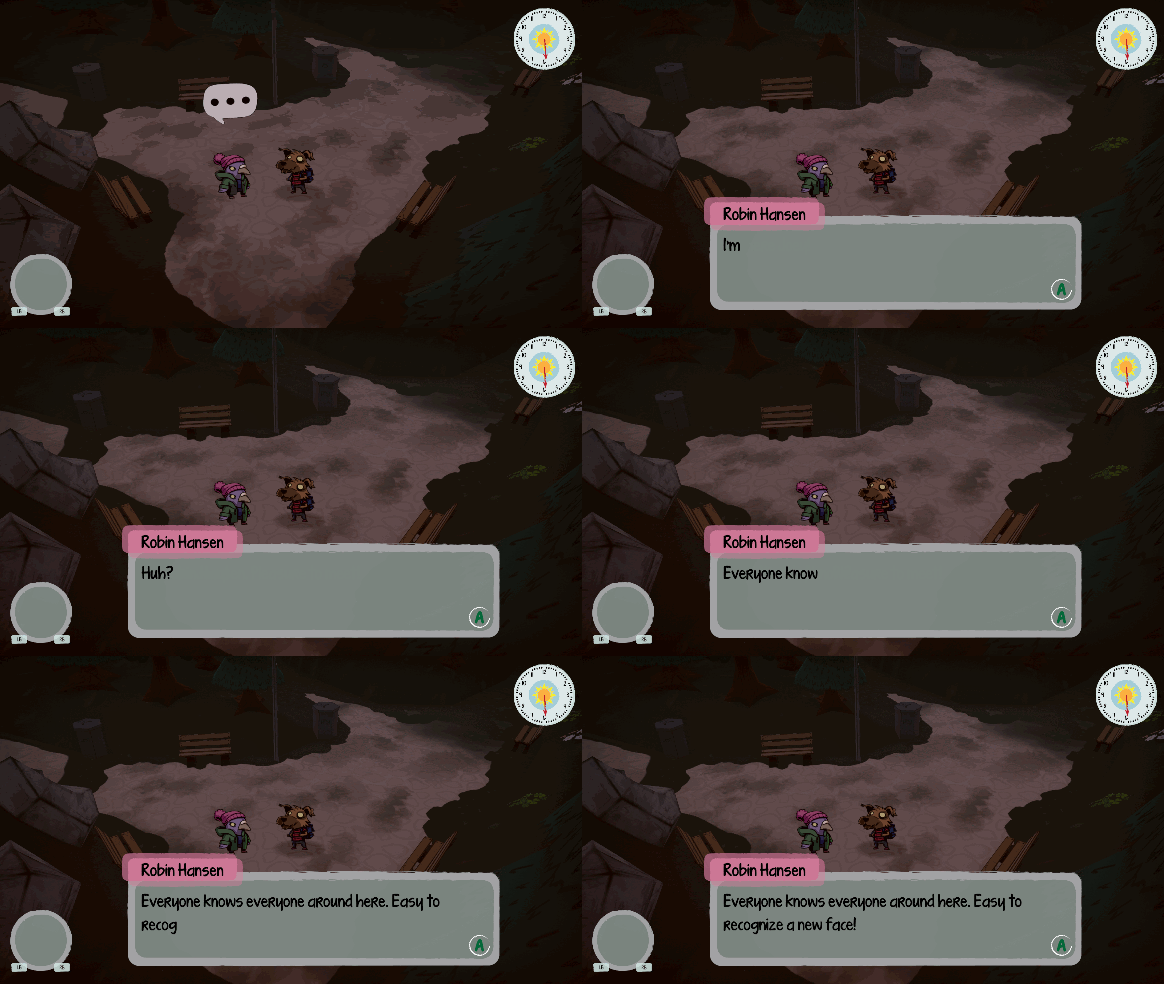
At its core, Run of the Mill is as much a coming-of-age story as it is about empathy. Making NPCs feel like real people that are going about their lives, each with their own dreams, biases and problematic ideas is the crux of the game's world building. There is no shortage of comical situations to introduce the player to all the goofy characters. Their different points of view are constantly put against each other, so as to invite the player to figure out what causes each person to behave like they do. Everyone is likeable and no one is exceptionally good or evil. By the end of each questline, every new friend becomes a better person. The true reward of the game is watching the long way little actions go, as Milhouse slowly comes back to brimming life.

Level Design

Progression in the main story is made by fulfilling several different objectives in any order. These objectives contribute to character specific questlines, but the reverse isn't always true. Special cutscenes happen at the end of every act, revealing a big part of the town's mystery, and opening up a new area of exploration with at least one new character. Objectives can be achieved either by trading items ("trade quests"), solving puzzles or talking to NPCs at specific times. There are a total of 3 main acts before the ending.
Beyond the main story's structure lies an even larger web of dependencies - character questlines ofter intertwine with one another, meaning the more the player advances in any direction (even optional content), more options and clues become available. These dependencies are well-documented and the sprawling interaction trees were implemented with Fungus.
Every character's degree of interaction becomes progressively more personal as they befriend the player, with a wide range of topics being explored. Some culiminate in heavier subjects (depression, dealing with death, loneliness etc), while others are lighter (work/life balance, finding new hobbies etc).
The player can also enjoy several minigames throughout the island, both in their leisure time and at specific points in the story. These leisurely activities usually also provide the player with money, which can be used for optional and main quests.
ACT I (main quest)
Music
Some acoustic guitar themes (prototype tracks).

Sound Effects
Besides localized ambience and diegetic sounds, these are the more interesting SFX used for interface.
ITEM GET!

Download link not available (project cancelled)